
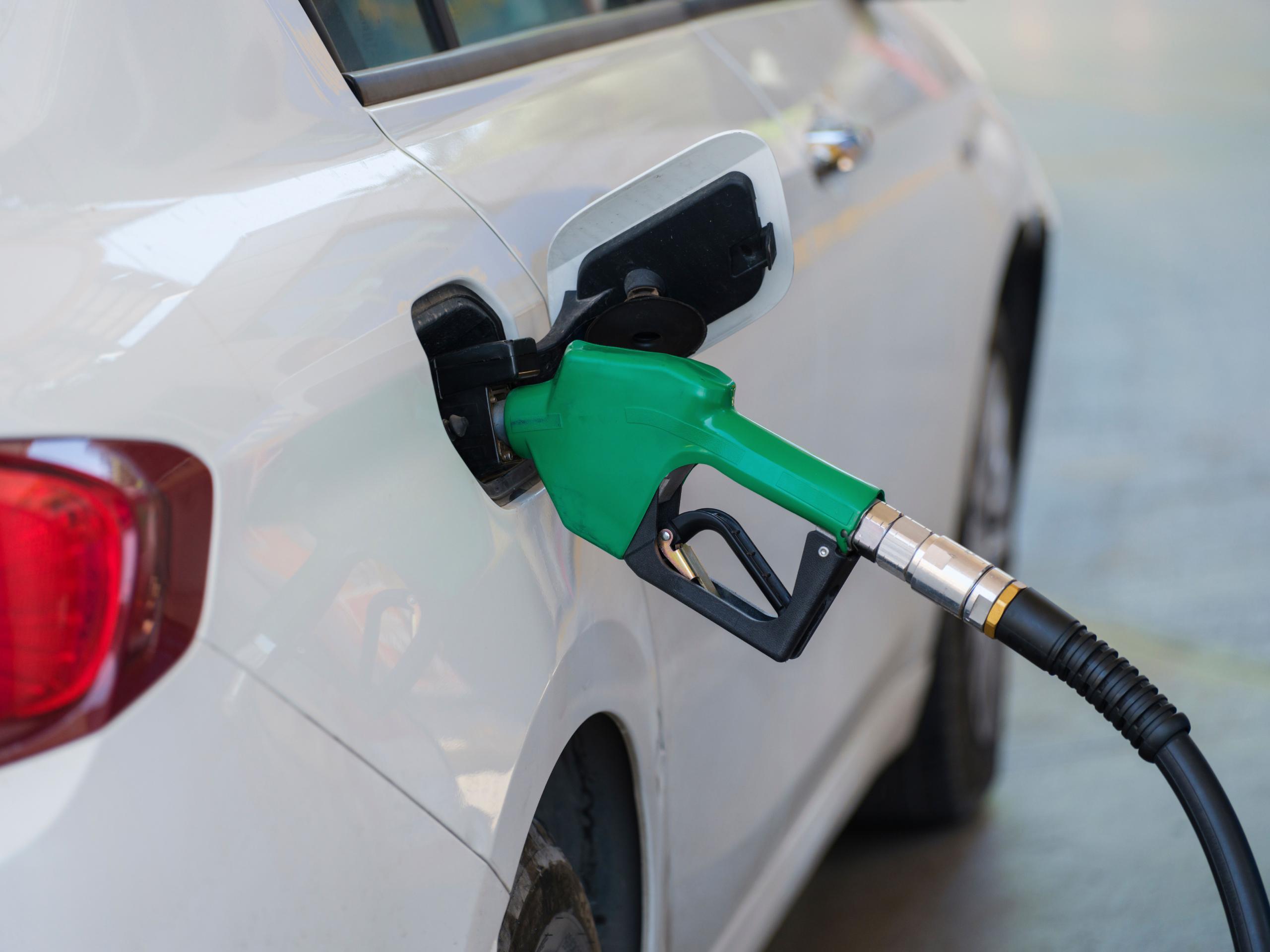
If your business uses fuel in eligible vehicles, machinery or equipment, you may be able to claim back some of the fuel tax included in the price of that fuel.
The key is having the right registration, using fuel in eligible activities, and keeping records that clearly show how the fuel was used.
Fuel Tax Credits are a credit you can claim through your Business Activity Statement (BAS) for fuel used in eligible business activities.
They are not based on the dollar value of your fuel bill. Instead, it is calculated using the number of litres of eligible fuel you used, multiplied by the applicable Fuel Tax Credit rate.
The rates can change regularly, so it is important to use the current ATO rate for the period you are claiming.
To claim Fuel Tax Credits, your business generally needs to:
Being registered for GST alone does not automatically mean you are registered to claim Fuel Tax Credits.
If you are unsure whether your business is registered, it is worth checking before your next BAS is due.
The ATO has rules around which fuels can be included in a Fuel Tax Credit claim.
Common business fuels may be eligible, including diesel, petrol and certain gaseous fuels. Fuels that are not subject to duties, are not eligible fuels such as LPG in some instances.
For the full list, see the ATO’s Eligible Fuels guide.
Click here for the ATO Eligible Fuels guide.
However, eligibility depends on the fuel itself as well as how it is used.
For example, fuel used in a work ute driving on public roads is treated differently from diesel used in an excavator, tractor, generator or heavy truck.
This is where many businesses either miss claims or claim incorrectly.
You need to separate fuel according to the vehicle, equipment and activity it relates to.
A simple starting point is:
A plumber may have a work ute that drives between jobs on public roads. Fuel used to drive that ute on the road will generally not qualify.
However, if that same business operates a generator, pressure washer, compressor or other eligible equipment that uses fuel, the fuel used to power that equipment may be claimable.
A landscaping or earthmoving business may use diesel in:
That fuel may be eligible, provided the business can show how much fuel was used in the relevant activity.
A transport business running heavy vehicles over 4.5 tonnes may also be eligible to claim Fuel Tax Credits. However, the claim rate for fuel used on public roads is different because of the road user charge.
Auxiliary equipment means equipment powered by fuel that is not used to drive the vehicle itself.
Examples may include:
This area can be more complicated than it first appears. The business needs to be able to identify the fuel used in the equipment, separate from the fuel used to drive the vehicle on the road.
This is an area where good records can make a real difference.
Fuel Tax Credits are calculated using litres, not dollars.
The basic calculation is:
Eligible litres of fuel × applicable Fuel Tax Credit rate = your claim
Because rates can change, do not rely on an old spreadsheet, previous BAS or a rate you found online months ago.
The ATO provides a Fuel Tax Credit Calculator that can help you work out the correct rate and claim amount for your situation.
Click here for the ATO Fuel Tax Credit Calculator.
For some businesses, a manual calculation is straightforward. For others, especially those with heavy vehicles, multiple vehicles, plant, equipment or mixed use, it can be worth setting up a more reliable internal process.
The ATO expects businesses to keep records that support the litres being claimed and the activity the fuel was used for.
A fuel receipt by itself may not always be enough. You should also be able to show:
For many small businesses, a simple system in Xero can make this much easier.
When entering a fuel transaction:
This gives you a clearer audit trail than trying to work backwards from the dollar value of fuel purchases at BAS time.
Fuel cards can help improve your records, particularly where you have several vehicles, staff members or machines.
Depending on the provider and setup, fuel cards may help you track:
They are not a replacement for a proper Fuel Tax Credit process, but they can make it much easier to separate fuel between eligible and non-eligible uses.
Before claiming Fuel Tax Credits, ask:
Fuel Tax Credits can be valuable, but they need to be claimed properly.
At Hillier’s Advisors, we can help businesses review their current fuel records, identify potential missed opportunities and set up a practical process for future BAS reporting.
A small improvement in how fuel is recorded can make claiming easier, reduce errors and help ensure your business is not leaving money on the table.
Contact Hillier’s Advisors to discuss your Fuel Tax Credit position.


Since 1989 Hillier’s Advisors have been delivering financial services to individuals, businesses and business owners across Newcastle and the wider Hunter Region. A major focus for the Hillier’s Advisors team and the work we do is providing the right financial advice when our clients need it, not just when they ask for it.

